TULBAGH · WESTERN CAPEMONDAY 29.09.196922:03

TornEarth

Die Aarde Skeur · a feature film

“Iemand het ’n boom geplant vir skaduwee wat hy nooit self sou sit onder nie.”

Someone planted a tree for shade he would never sit under himself.

About the story

Over a 36-hour period in the valley of Tulbagh, a handful of diverse people’s lives are shaken apart and drawn closer together by an unexpected earthquake.

A scar running unbroken through the town, right up to the church, where it stopped.

On the night of 29 September 1969 an earthquake registering a magnitude of 6.3 on the Richter scale hit the small, picturesque town of Tulbagh in the Western Cape, South Africa. In an area not prone to earthquakes, the ground shook, tore and left a prominent scar. A scar that ran unbroken through the town and led right up to the church, where it stopped, leaving the place of worship unharmed.

What unfolds is a story inspired by real-life events. It does not carry real names and biographical events, but our own interpretation of them. When we started the research, we were touched by the courage and perseverance of the people of this valley: the personal experiences of earthquake survivors, amid a very tense time in South Africa.

As we journey through the events before, during and after the earthquake, we witness the response of human nature to that of Mother Nature.
6.3on the Richter scale
15 sof shaking
12lives lost
300families lost their homes

A country divided.

A town torn open.

A people reconnected.

When the earth tore open, their humanity brought them together. A story about grace, given, not earned, and about hope, not as sentiment, but as resistance.

Sunday dawn to Tuesday dawn

Thirty-six hours

In 2019 Michael Carelse, fifty-six, one sleeve tied at the elbow, leads tourists on horseback up to the ridge above Tulbagh. A ten-year-old asks what happened to his arm. He tells them.

05:40SUNDAY 28 SEPTEMBER 1969

The people of the valley

Small people.
Whole lives.

An orphan with two left shoes. An old teacher keeping the names nobody else will. A woman behind a wall. A bride holding a house together. Tap a face to meet them.

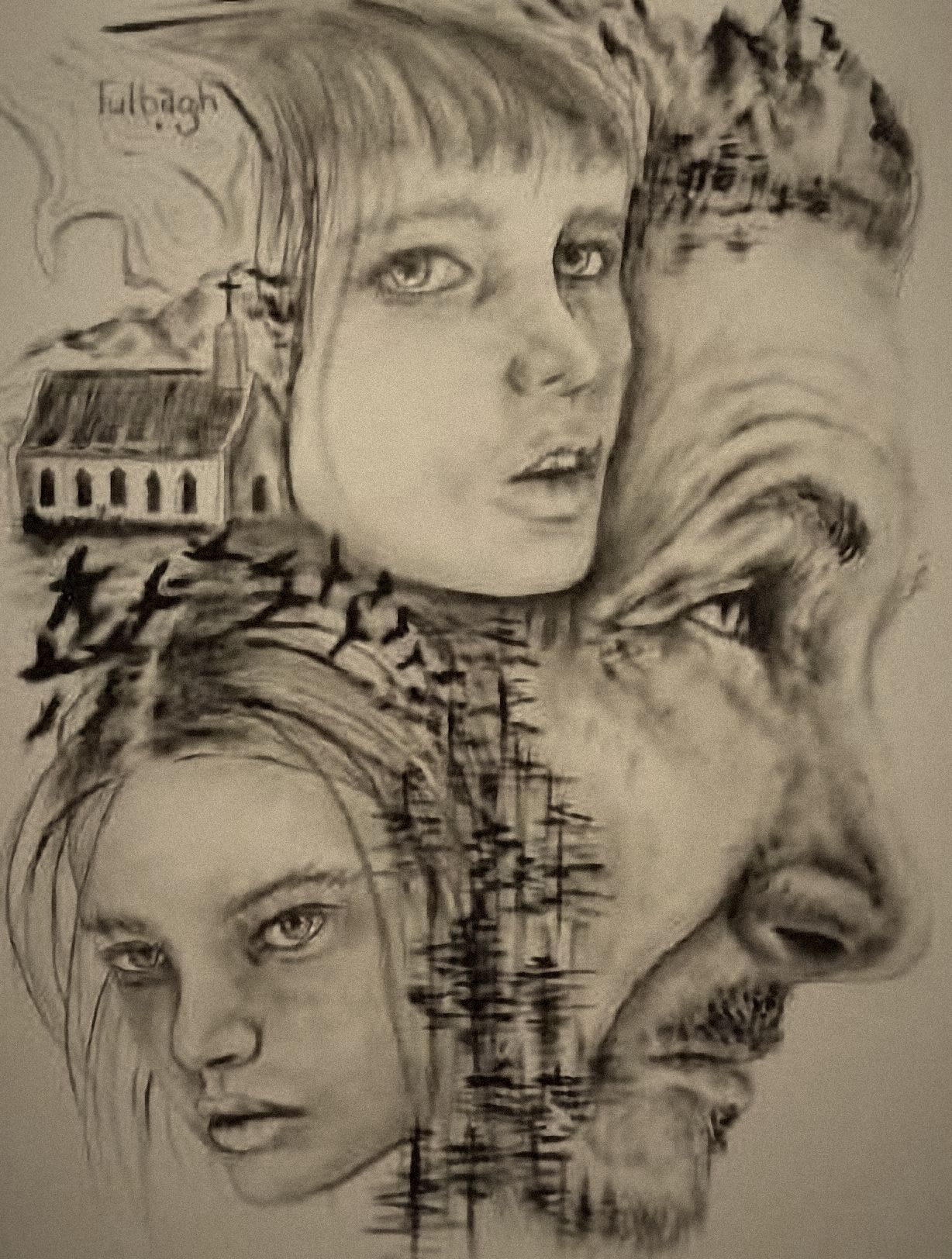
Pencil character sketches from the development books
Character sketches from the development books

The night of the earthquake

The earth roars.

Not sound. Force. The house convulses. The table walks. A crack opens across the plaster above the door and travels. Fifteen seconds. And then it stops.

The bell in the Roodezandt tower is swinging. Nobody is on the rope. It rings four times, unevenly, the way a bell rings when the earth has pulled it and not a man.

A coloured farmworker and a white farmer at the same collapsed doorway, both with their shoulders in it, neither of them having discussed it. A woman in a nightdress carrying somebody else’s baby, going door to door, asking whose it is. Nobody knows. She keeps carrying it.

The church doors open. People sitting down in the pews in their nightclothes, front pews and back bench, in whatever order they arrive. Nobody organises this. Nobody comments on it either, then or ever.

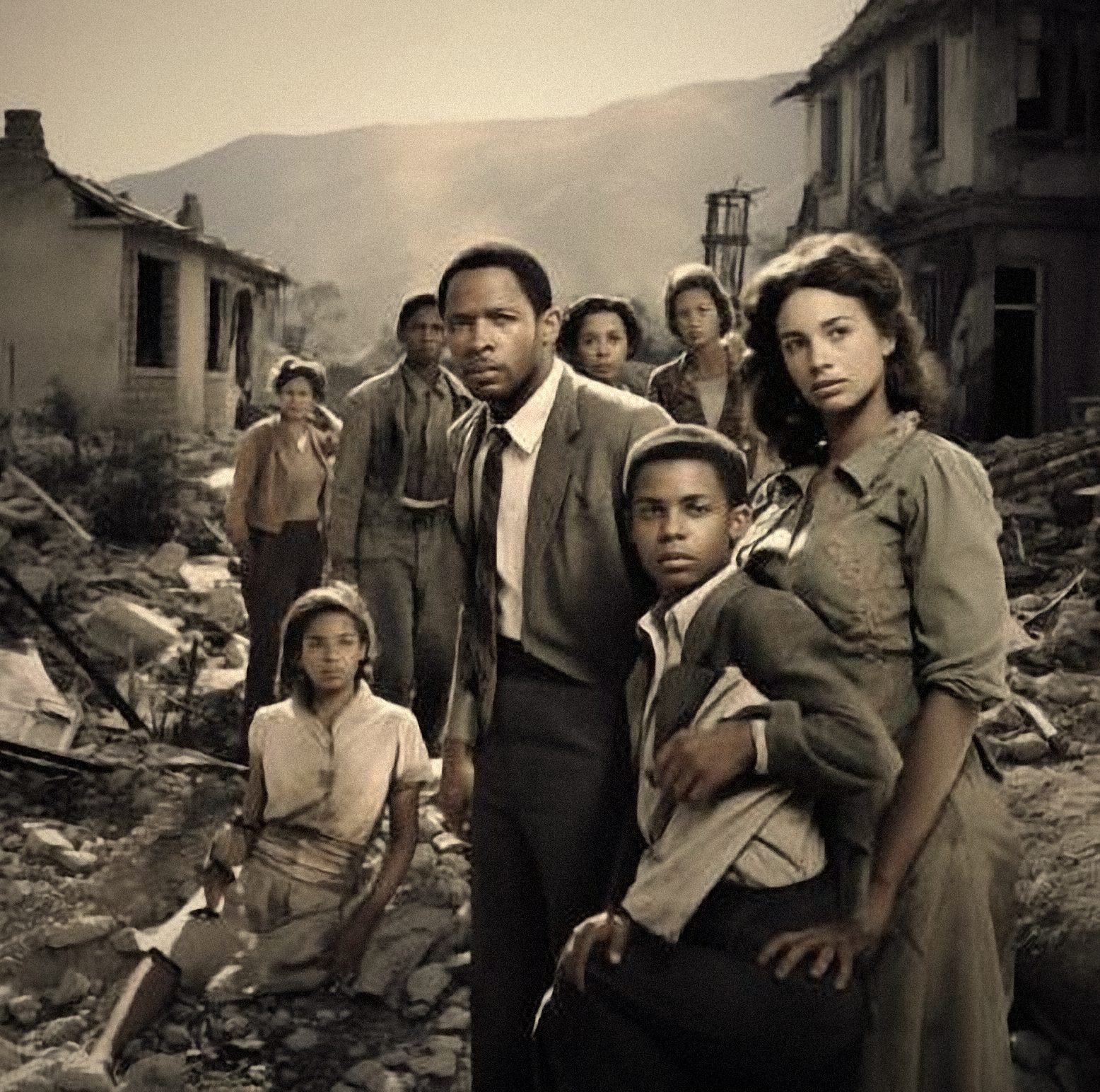
A family stands together in the ruins at first light

Dawn.

Fifty people on kerbs and walls. Every single one of them the same colour. Grey-white, from the hair down. A man passes a bottle of water to the person next to him without looking to see who it is.

Nobody remarks on this. It will be remarked on for the next fifty years.

FROM THE SCREENPLAY · TORN EARTH

From the screenplay

Spoken in Afrikaans, felt in any language

The film is written in the voices of the valley, Afrikaans with Dutch and English, and will be made in English and Afrikaans/Dutch versions.

Afrikaans dialogue · English subtitles beneath

From the director's treatment

Building the world

This is not a disaster film. The quake is not the spectacle; it is the spark. The camera is a quiet witness: natural light, handheld in urgency, still in reflection. The earthquake is felt in falling dust, a tremor in a hand, a scream caught in the throat.

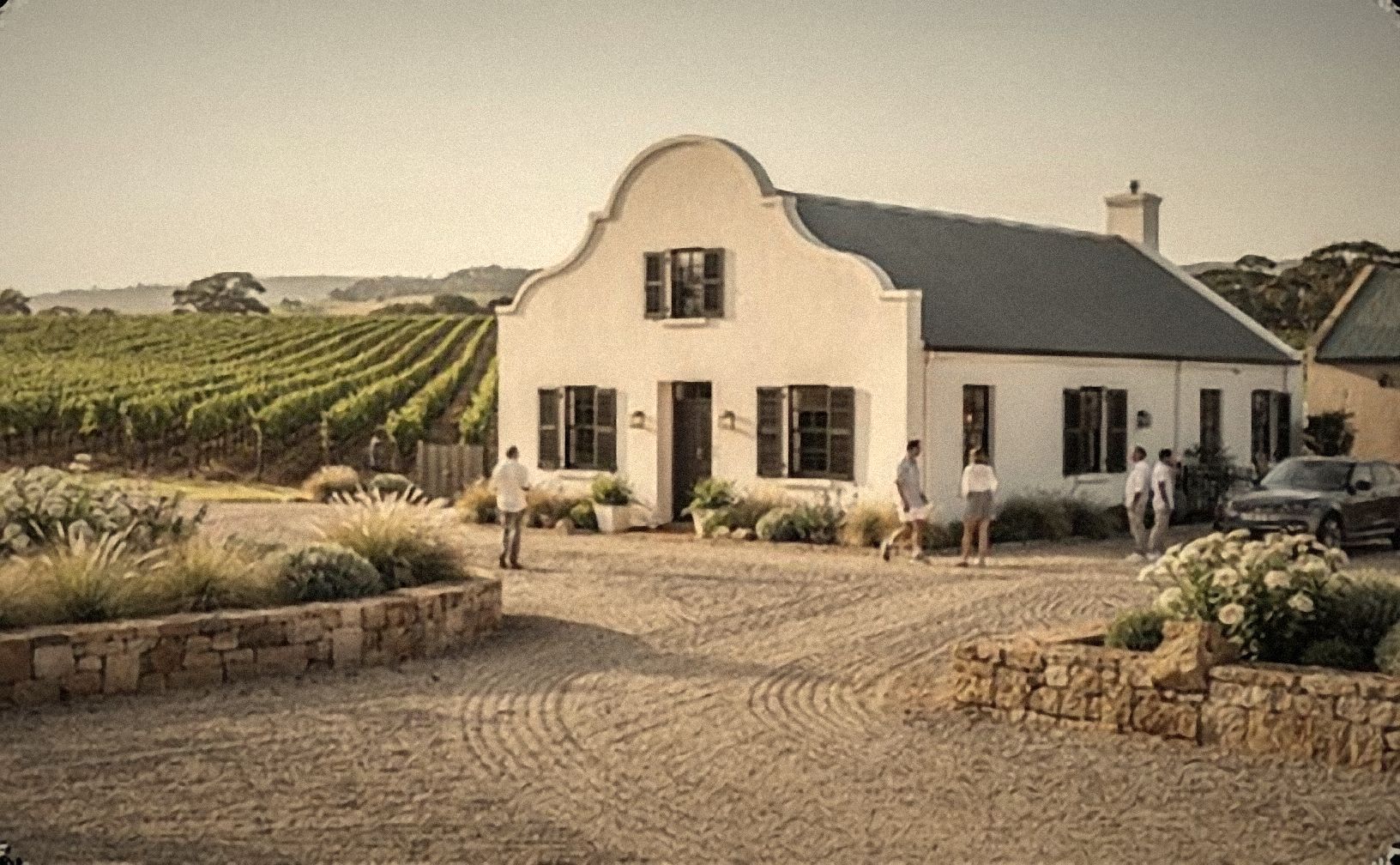
A Cape Dutch farmhouse among vineyards in warm light
Light · beforeMorning tranquilitySoft, warm sunlight and long shadows evoke safety, routine and comfort. A baseline of peace that heightens the impact of the disruption.
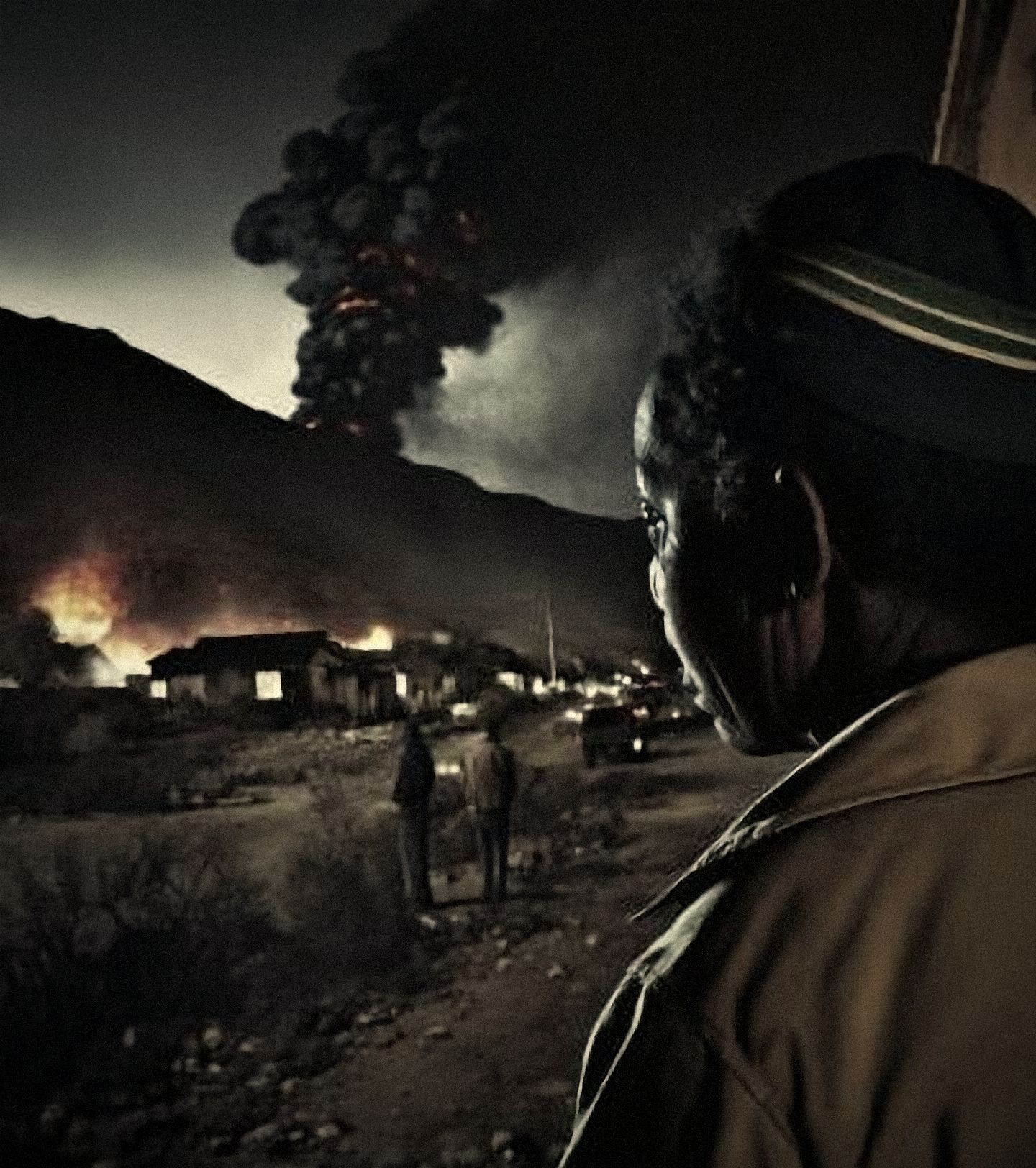
A woman watches fires across the valley at night
Light · 22:03ChaosLight fragments and scatters. Dust becomes a character, catching beams in volumetric shafts. Contrast spikes between light and dark.
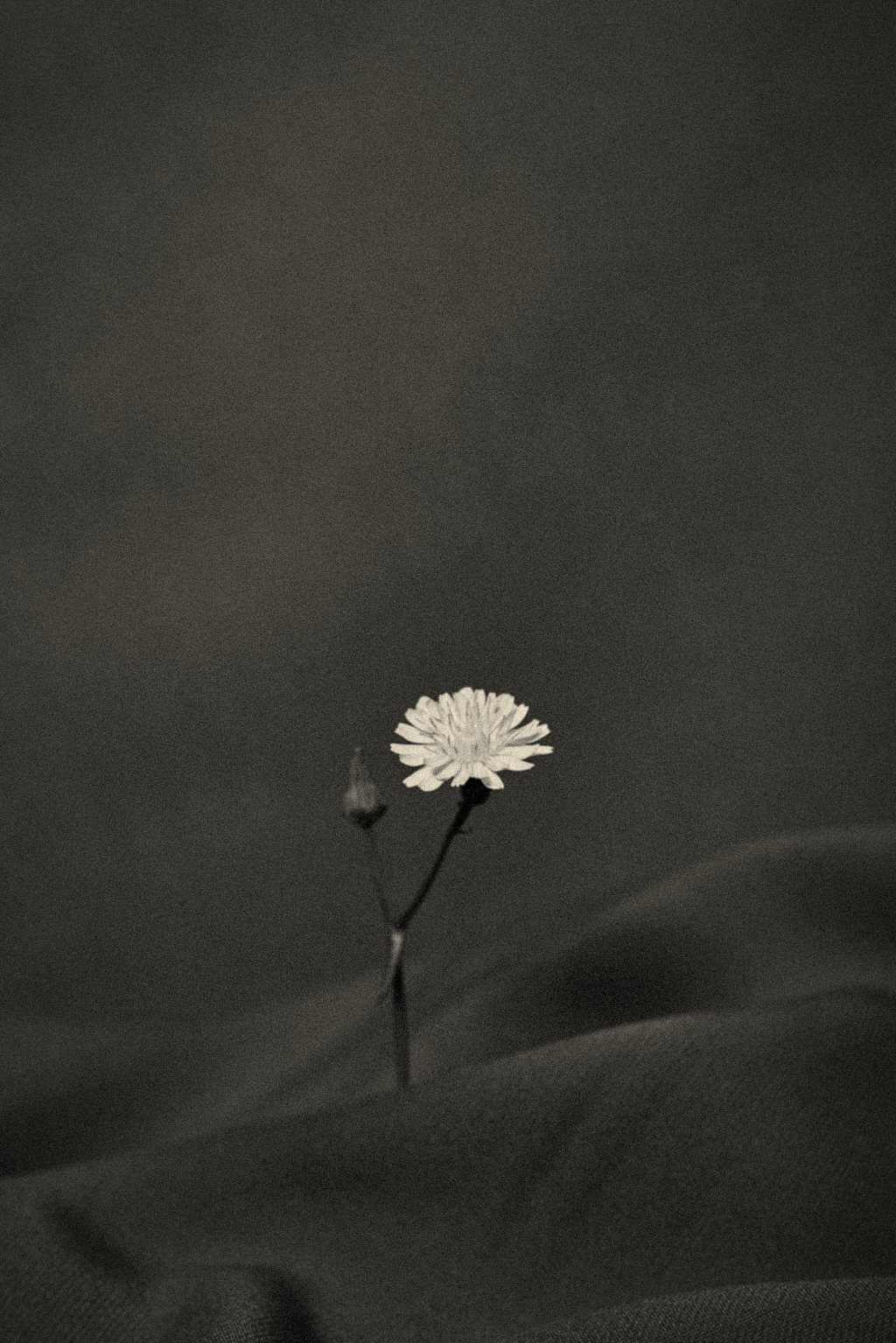
A single white flower in grey ash
Light · afterRebuildingA return to warm, gentle light, now tempered with weight. The softness is no longer naïve but earned.

Colour: from rupture to reconnection

BEFORE · sun-drenched ochres, aged browns

AFTER · dusty greys, muted greenspops of colour: the wedding, the children

Sound you feel

  • StructureGroaning timber, cracking walls, shattering glass: the physical voice of collapsing architecture.
  • ValleyWind through vineyards, distant tractors, analog radios, the church bell on a Sunday.
  • PeopleBreath, heartbeats, whispers and cries, grounding the event in each person.
  • SilenceAfter the shock, stillness becomes punctuation: space for grief, reflection and hope.

Production design: authenticity in every detail

1969 costume reference
Period authenticity1969-accurate costumes, vehicles, signage, interiors and props.
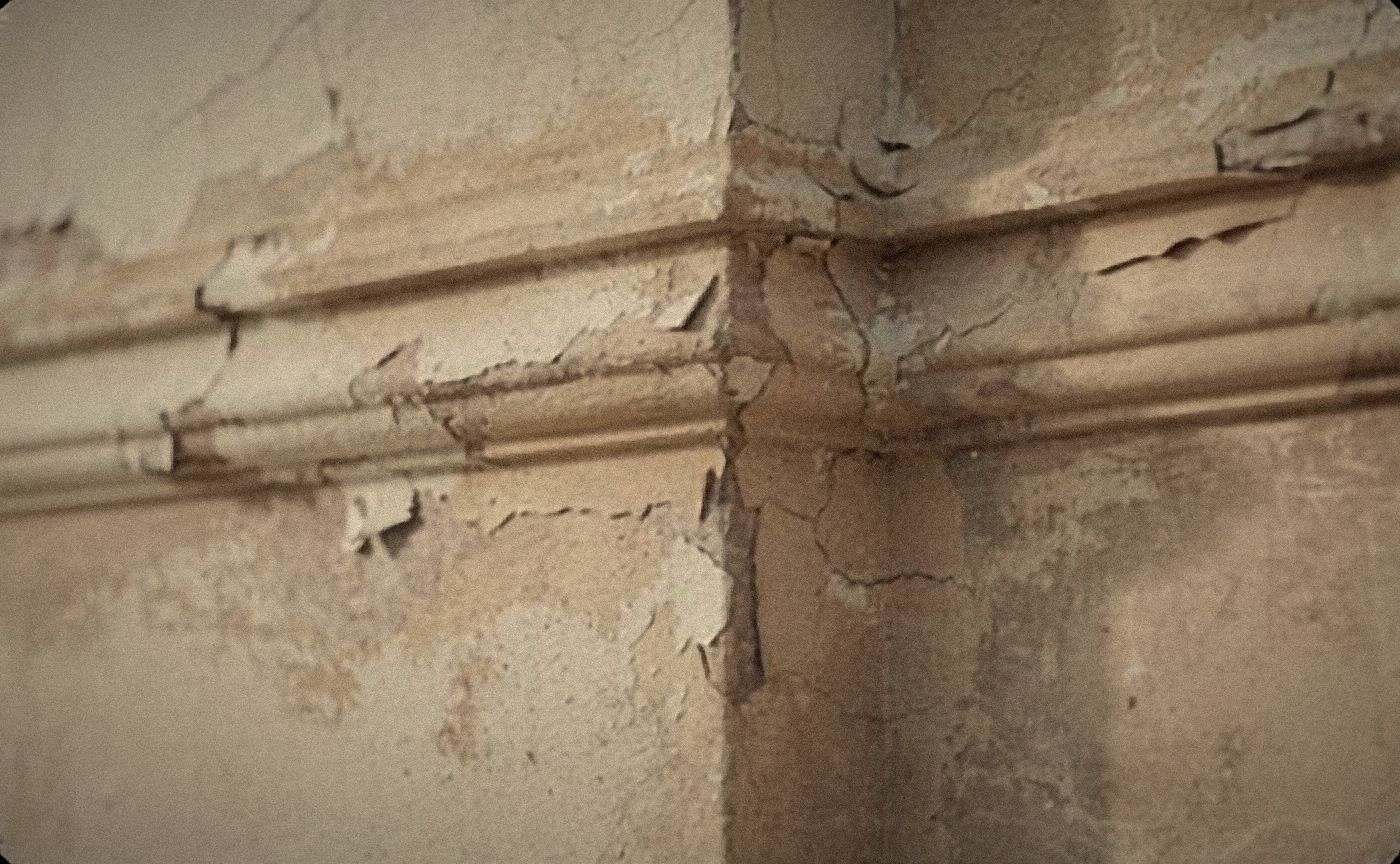
Cracked, weathered plaster
Weathered texturesPeeling paint, cracked walls, layers of dust. Nothing feels new or staged.
A furnished 1960s sitting room
Individual spacesEach home reveals class, culture and personality through its objects.
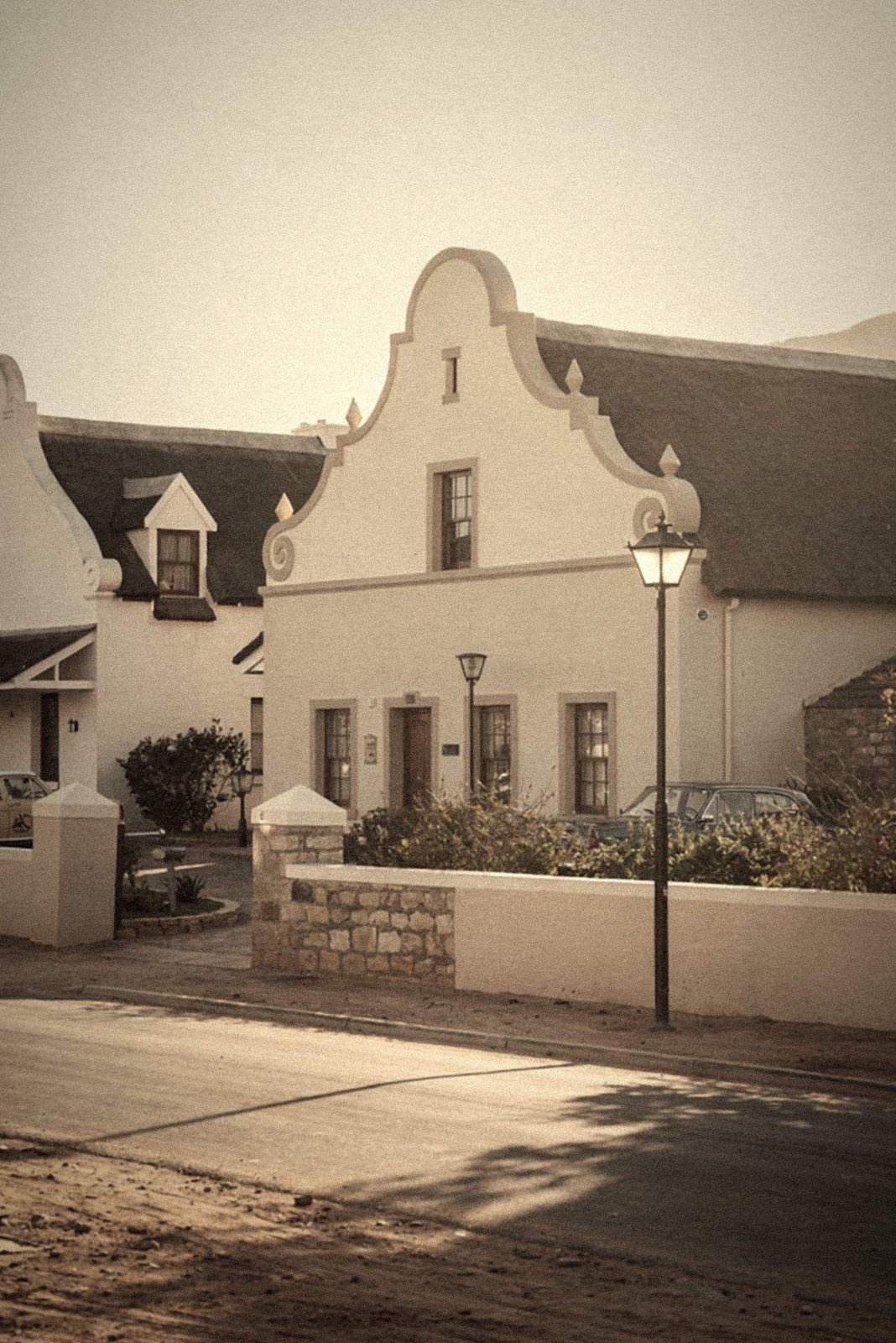
A Cape Dutch gable
Social geographyVineyards, farmhouses and the orphanage reveal the town's hierarchy.
The making of · the quake

A town in miniature

Scale models of Tulbagh's real buildings, with real surfaces lit by real light, bring the earthquake to the screen, combined with practical sets and effects and, only where needed, VFX by the team behind Spelonk.

The making of · the camera

Worlds that slowly meet

At first the camera moves differently in each character's world. As the story unfolds it becomes more flowing, until it moves between their lives without interruption.

The making of · the big scenes

Rehearsed like theatre

The large crowd scenes are rehearsed like a stage production, so long, unbroken takes can carry the town through the night in a single breath.

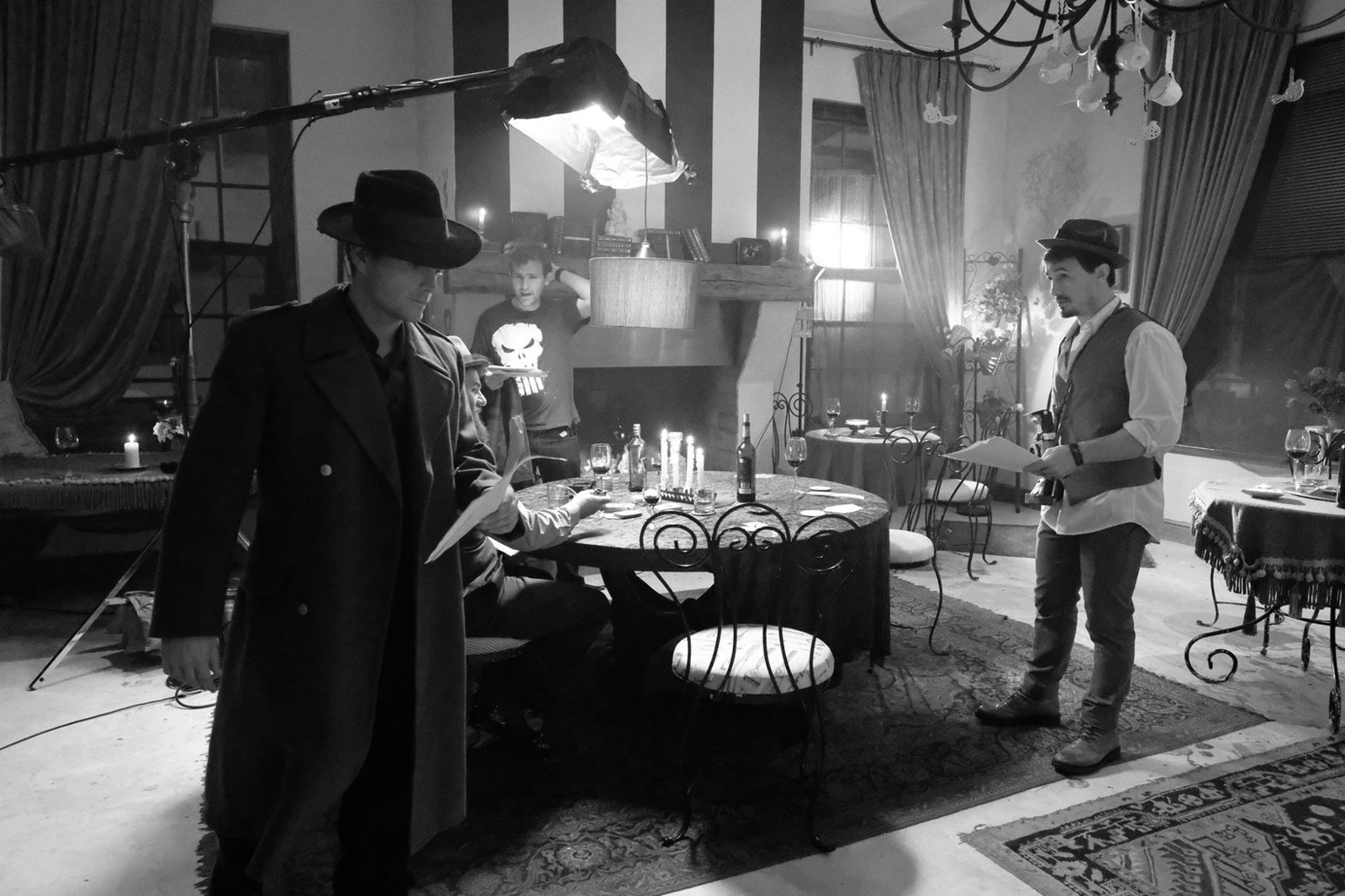
On set: a period interior lit for a night scene
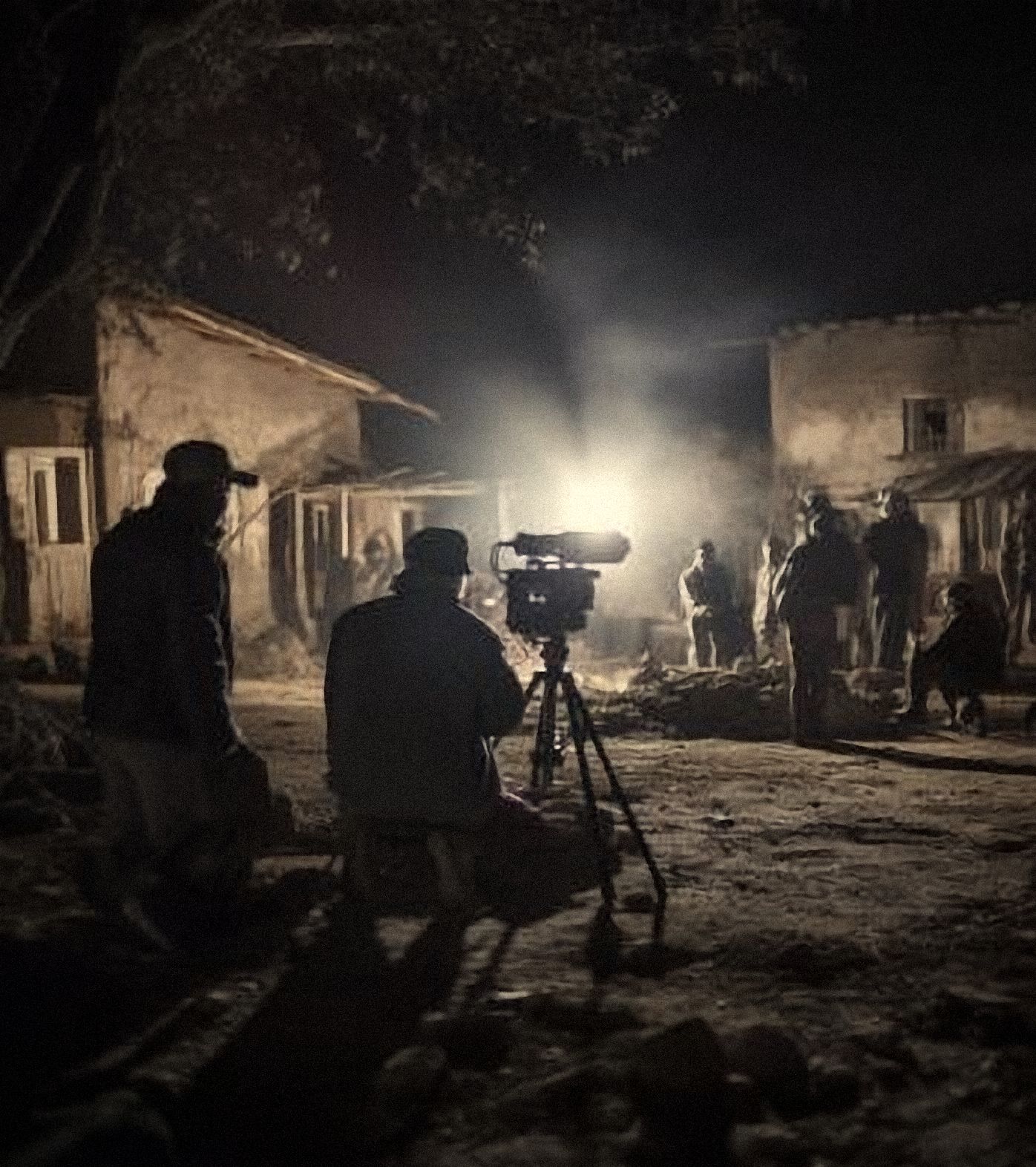
Lighting a night scene among ruined houses

Period interiors, practical light, real locations: planning the look of 1969 Tulbagh.

Already walking with us

The valley helped write this story

The novel was researched with Tulbagh's residents, historians, business owners and an earthquake witness.

  • Tulbagh Museum
  • Tulbagh Tourism Committee
  • Church Street Committee
  • Wesgro
  • Theuniskraal Wine Estate
  • Readers Restaurant
  • Fynbos Guest Farm
  • Cape Dutch Quarters
  • NC Photography · Tulbagh E-News
  • Marmalade Angel Studio
  • Seeff
  • Oakfield College

Tulbagh, 1969

As it really was

The story is fiction. The valley, the scar and the tents on the rugby field were real. These photographs from 1969 are the ground the film stands on. Tap one to look closer.

AncientThe basin is home to the Khoi and San peoples for thousands of years.
1699The valley is named Land van Waveren. Dutch and Huguenot settlers found the town soon after.
1743The Roodezandt church bell begins to mark the hours of the valley.
1969Monday 29 September, 22:03. Fifteen seconds. Twelve lives. Three hundred families without homes.
TodayChurch Street, rebuilt from its original drawings, is a national monument.

Were you, or your family, in the valley that night? Photographs, letters and memories help us honour what really happened.

Share a memory

Where it began

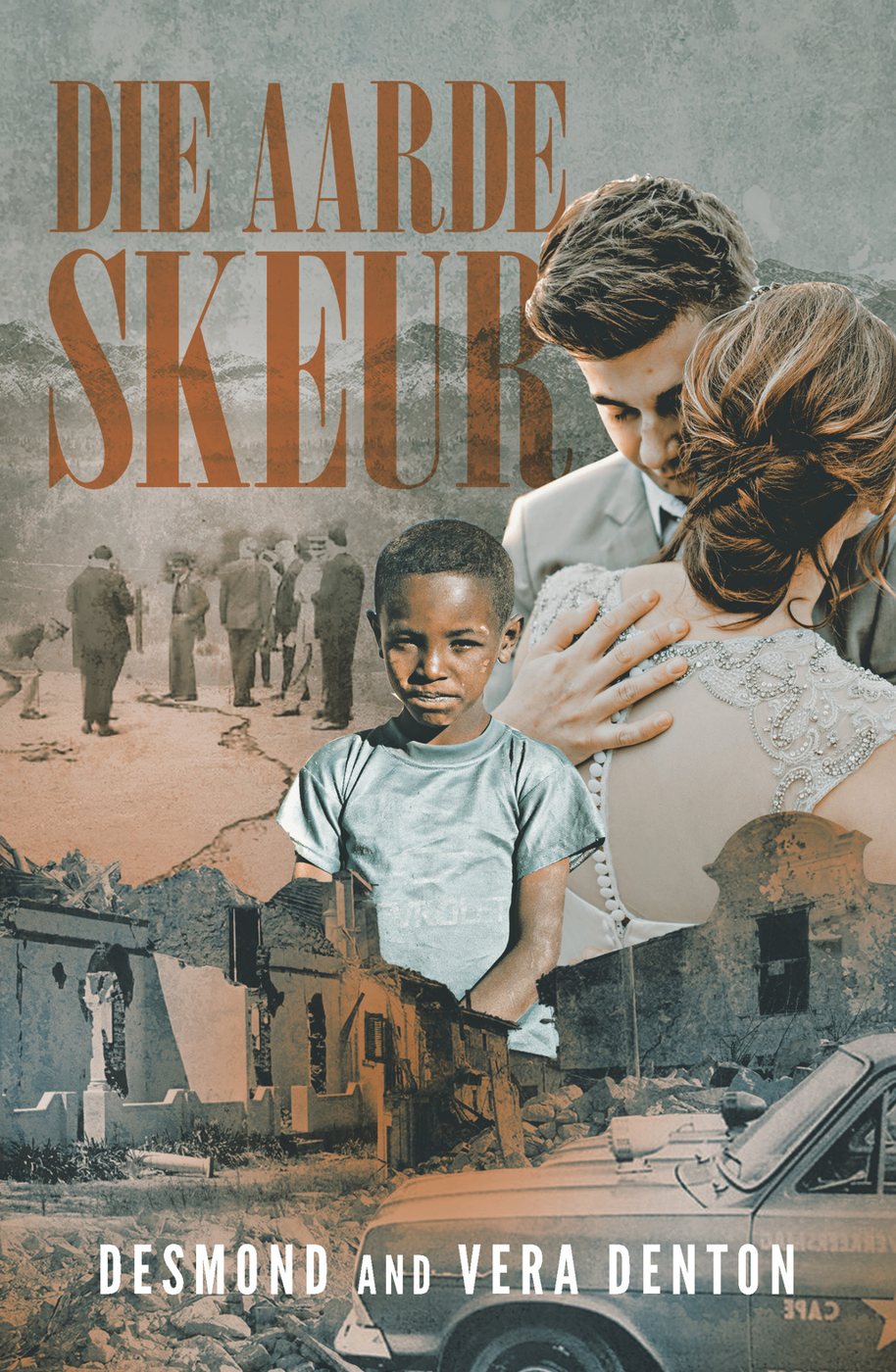
The novel, in two languages

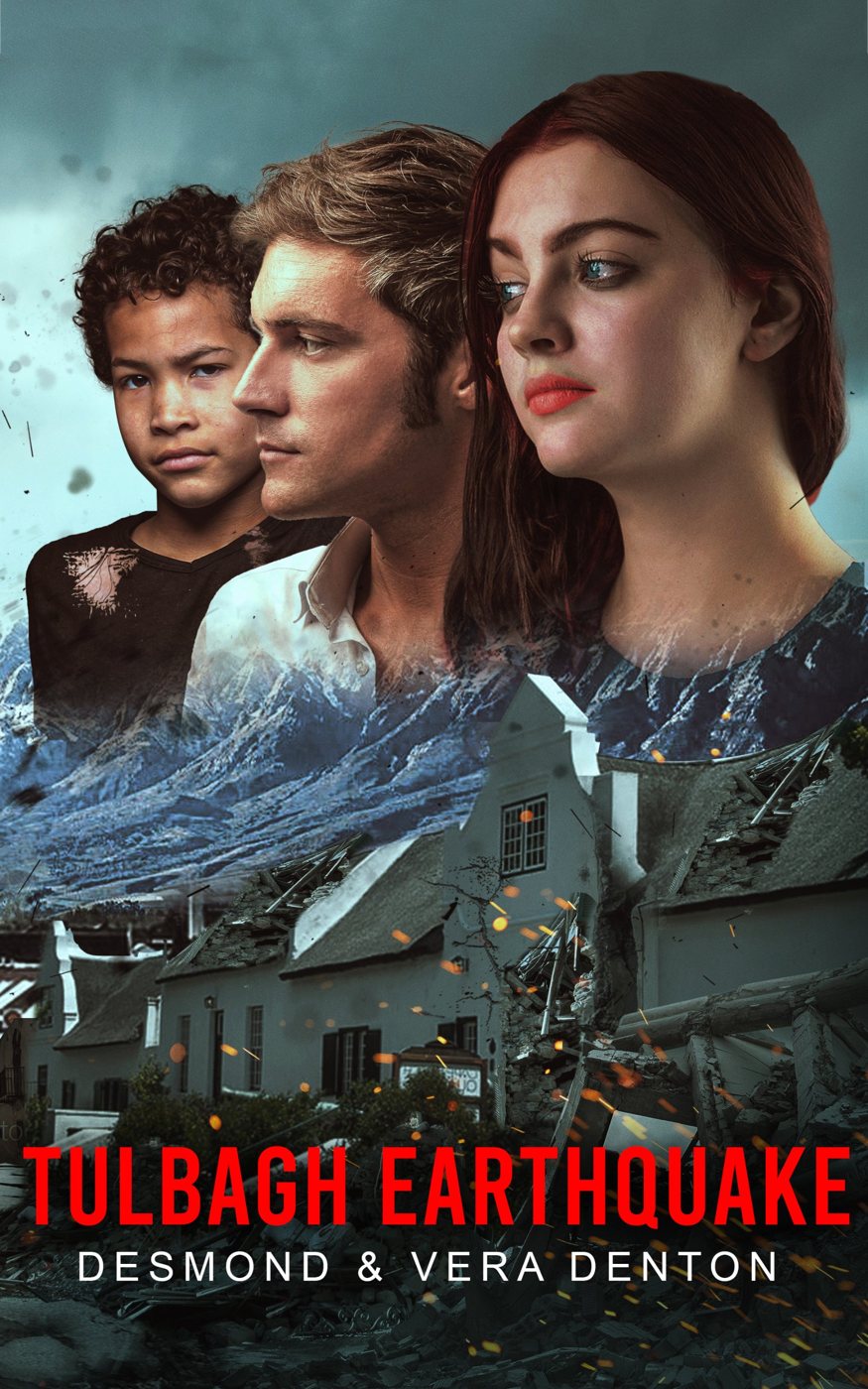
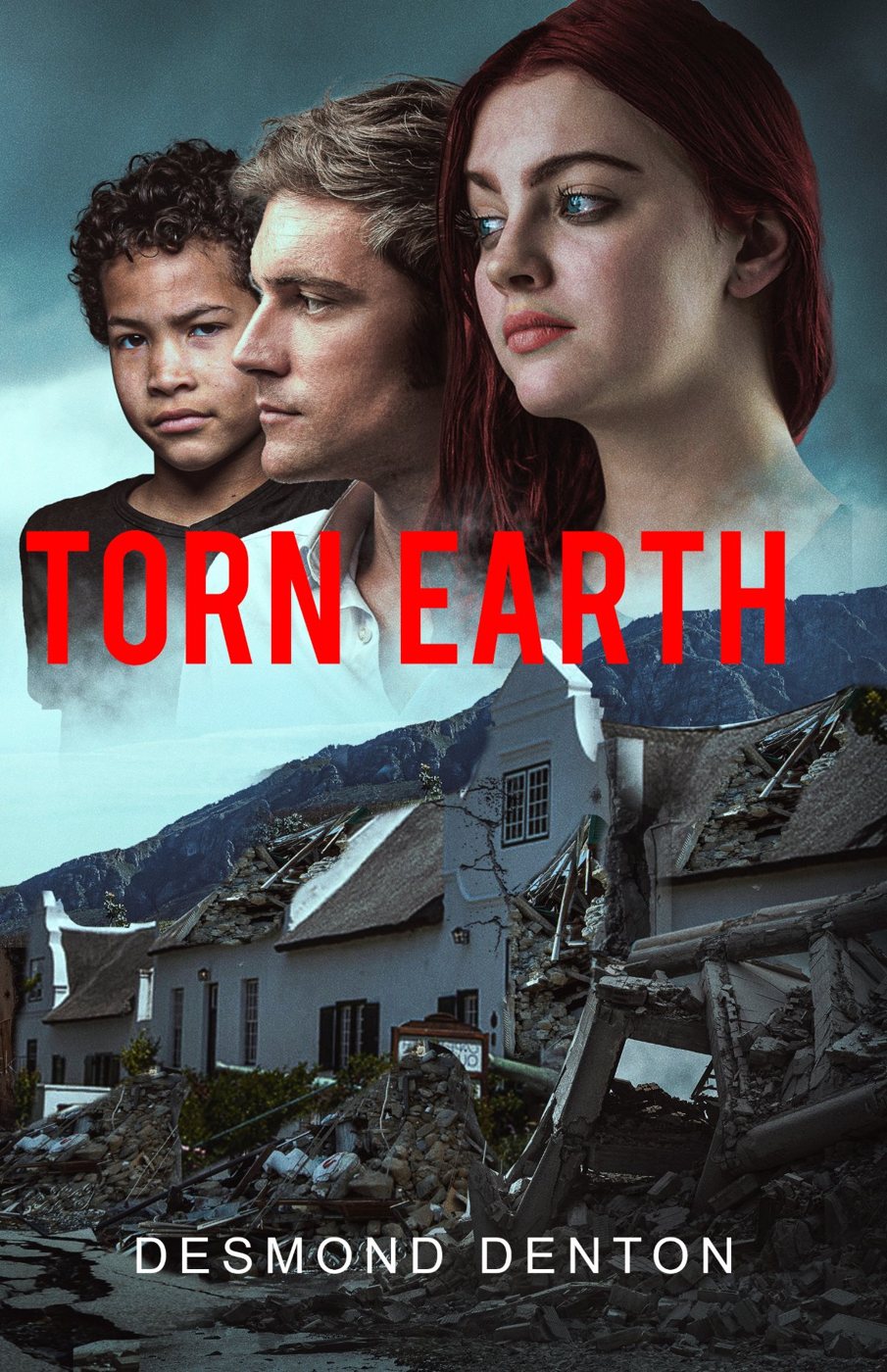
Desmond and Vera Denton wrote the story first as a novel, researched with the people of Tulbagh, survivors among them. Published as Tulbagh Earthquake and Torn Earth in English and Die Aarde Skeur in Afrikaans.

Die Aarde Skeur cover
Die Aarde SkeurAfrikaans
Tulbagh Earthquake cover
Tulbagh EarthquakeEnglish
Torn Earth cover
Torn EarthEnglish
Die Aarde Skeur film poster concept
The filmPoster concept
EnglishAfrikaans
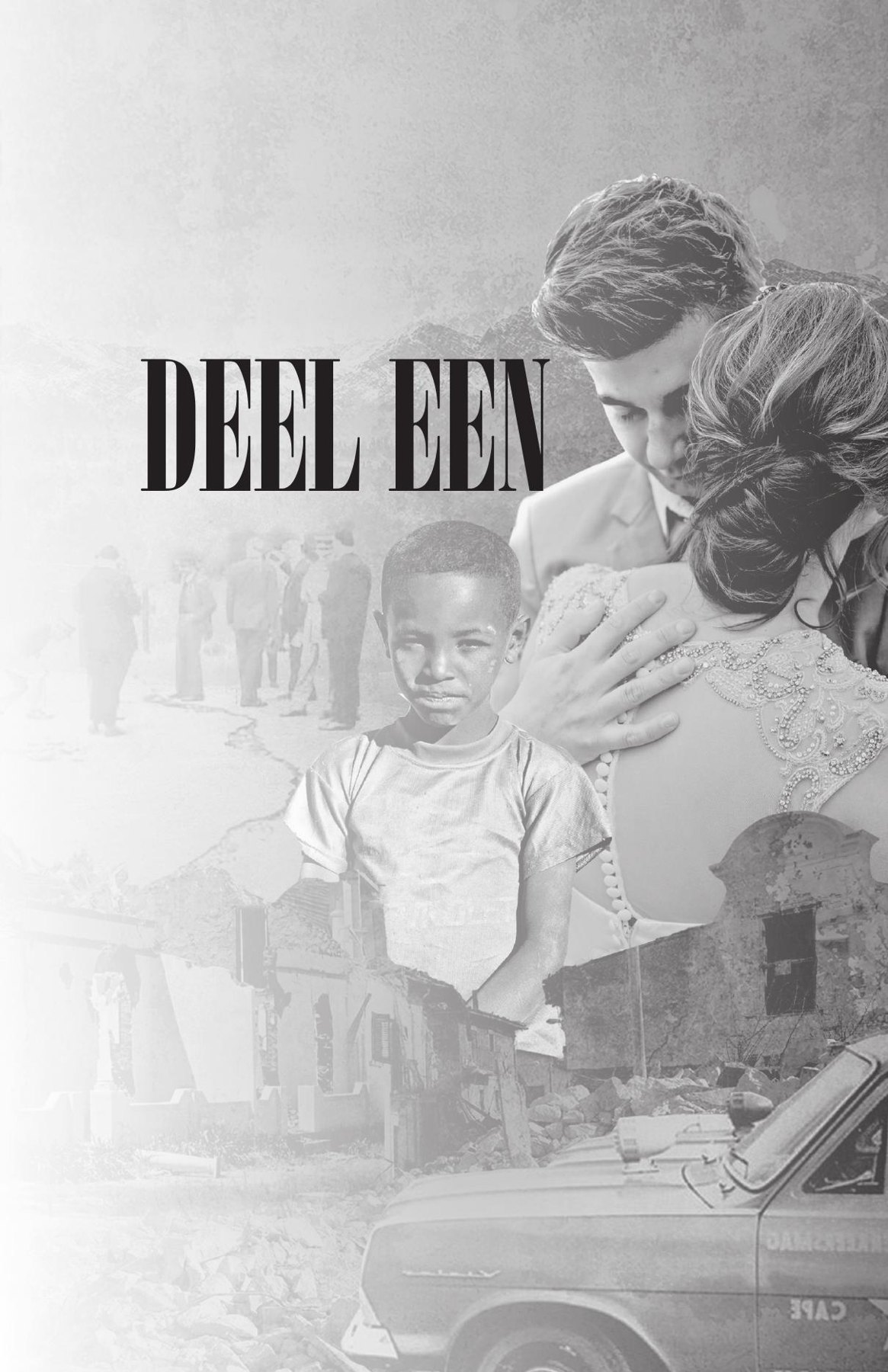
Illustrated title page: Deel Een
Illustrated part opener, Die Aarde Skeur
Part One · Deel EenMorning · Bells · Invitation · Streets · Church · Heist · Feast · Punishment · Sisters · Dinner
Part Two · Deel TweeTulbagh · Rats · Snakes · First Shakes · The End of the World · Church Street · Pipes · Sugar and Candles · Door · River of Lights
Part Three · Deel DrieAftermath · 29 September 2019
“Baie interessante menslike belewenise gedurende aardbewing.”Very interesting human experiences during the earthquake.Ineke · ★★★★ · Goodreads

Die Aarde Skeur

Afrikaans · ISBN 978-1-991256-06-5

Tulbagh Earthquake

English · paperback & eBook · ISBN 978-1-7371219-0-9

Also in bookshops: ask for it by title or ISBN.

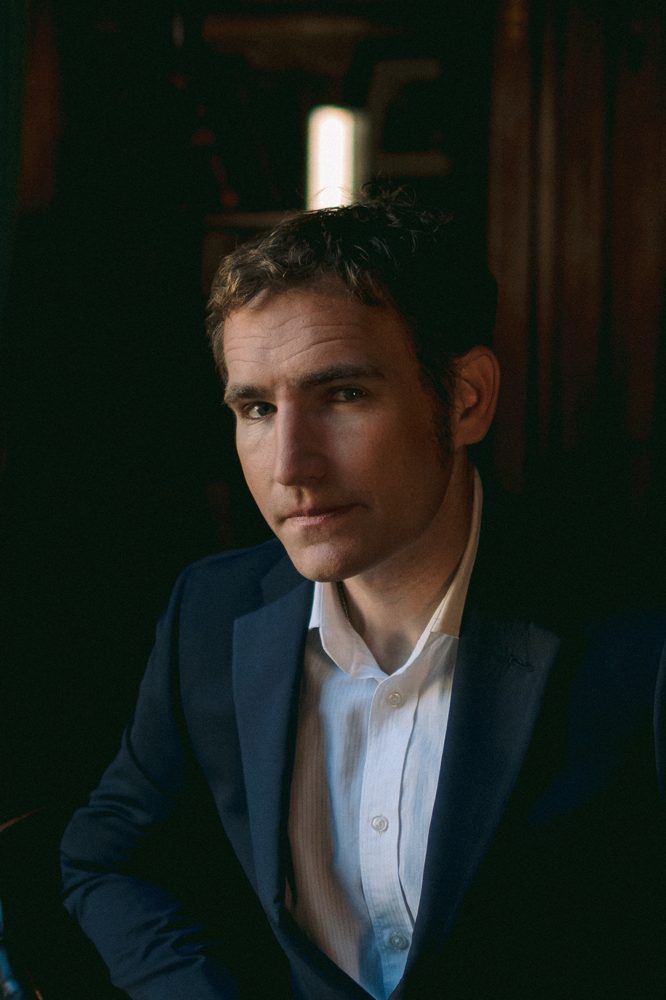
Desmond Denton
Desmond Denton · author & director

Why this story

A story I needed to tell

Tulbagh is a small town near where I was raised. As a child, I heard stories about how neighbours, once divided by law and fear, found themselves side by side in the rubble, helping, grieving, rebuilding. That image never left me.

This story began as a novel I wrote, and now, adapted for the screen alongside my wife, it has become something deeper: a legacy I hope to pass on to my three children. A reminder that even when systems enforce division, our true nature is to connect.

In Torn Earth the female characters do not orbit around male stories. They lead. They nurture, rebel, repair.

This is not a story of destruction. It’s a story of hope.

Desmond Denton

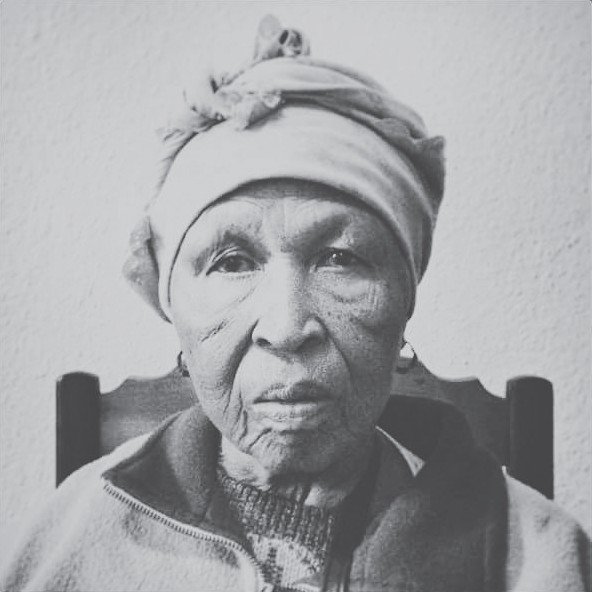
Portrait of Grace Dingaan
Grace Dingaan

The real heart behind Grace

For Grace Dingaan, my Amakulu

Grace Dingaan, heartfelt thanks for all the time you invested in me. You were there since I opened my eyes to explore this world. You guided me with your kindness and your beautiful Xhosa songs hummed me to sleep when I was little. On your back you carried me while you were doing so many tasks.

It was an honour to have you partake at our family celebrations, our weddings. I thank you for your gift, your time, your love, your amazing stories. You learnt Afrikaans in our house, but in fact taught us so much more. You kindled in me a true passion for stories by sharing yours.

You are my family and I am blessed to be yours.

Desmond Denton

From page to screen

The story is travelling

From a novel in two languages to a screenplay that has represented South Africa in New York and London and been chosen among the top projects in Cape Town.

    Watch & listen

    Meet the storyteller

    How we will make it

    A film made by a valley

    This is a story about people who found each other in the dust. We want the making of it to do the same: a truly South African film, made in Tulbagh, with the people, families and businesses of the valley, for audiences far beyond it.

    01

    Filmed where it happened

    Church Street, the Cape Dutch gables, the vineyards and the mountains of the Tulbagh valley, with Karla’s journey carrying the story to the Netherlands.

    100+

    Jobs and training

    Four weeks of pre-production training and more than a hundred on-the-job opportunities, in front of and behind the camera, with local council, schools and universities.

    ♥

    With the Paul Steyn Foundation

    Founded in 2011 by Paul Steyn, an amputee who began as an intern on our productions. In a film whose young hero loses his arm, people with disabilities will train and work on both sides of the camera.

    1969

    A town rebuilt for the screen

    Period homes, cars, costumes, kitchens and wine estates, lent and made by the community. Townspeople as the faces in every street scene.

    10 000+

    Screenings that start conversations

    AStory’s Lenteblom reached more than 10,000 community screenings. Torn Earth will travel to churches, schools and halls with programmes designed with Dr. Mario Denton, industrial psychologist and EQ expert.

    EN · AF

    For South Africa and the world

    Made in English and Afrikaans/Dutch versions, for family audiences at home and festival and international audiences abroad.

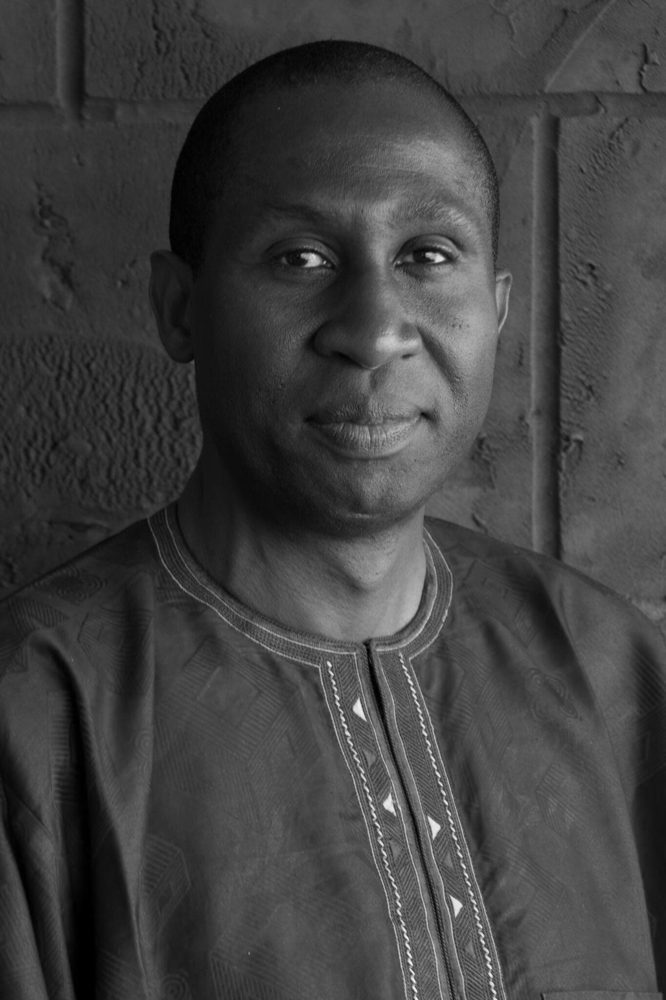
    Henry Gwani“You only have to look at the news to see how our world fractures itself. But this story reminds us of something deeper: our nature is to connect.”Henry Gwani · Producer, AStory
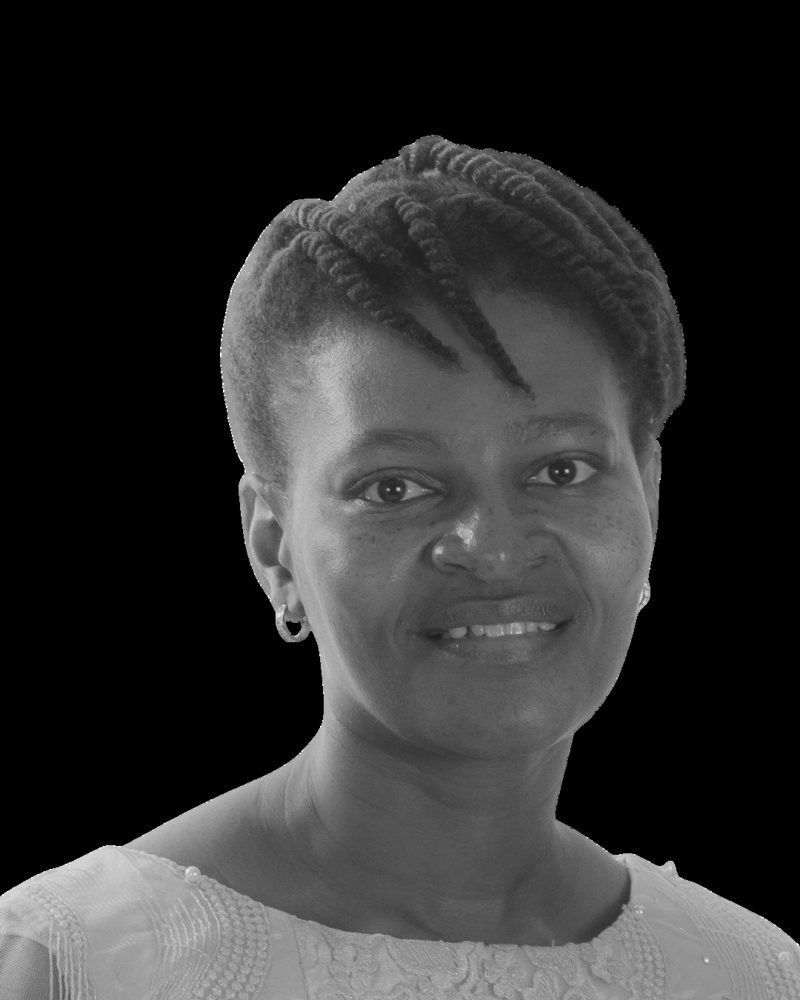
    Siphokazi Gwani“Torn Earth is a story about reconnection, and we start that reconnection by how we make and share the film itself.”Siphokazi (Mampho) Gwani · Producer, AStory

    AStoryPaul Steyn FoundationDr. Mario DentonAn international co-production

    Be part of it

    Help bring 1969 back to life

    Every street scene needs a stoep, a bakkie, a kettle, a face. Tell us what you could bring.

    Tulbagh & the Winelands

    Open your town

    Homes, farms, churches and streets as locations. Extras and roles. Places to stay, food to share.

    Businesses & brands

    Put your name to it

    Partnership, sponsorship and in-kind support. Period vehicles, props and costumes. Wine, hospitality and tourism partners.

    Investors & funders

    Invest in the film

    Request the screenplay, treatment and production plan, and talk with us about the co-production.

    Festivals, sales & press

    Follow the journey

    Project materials for markets and labs, interviews and stills as the film comes to life.

    Churches, schools & groups

    Host the story

    Book readings, story sessions and, when the film is ready, community screenings and conversations.

    Do you remember?

    Share 1969

    Photographs, letters and memories of the night the valley moved.

    Write to us

    Stand with us in the dust

    Tell us who you are and how you'd like to be part of Torn Earth. Your note opens in your email, ready to send.

    Coda · 29 September 2019

    “The feeling of looking at a place that broke and was put back together. Knowing you were there for both. The cracks are still in the stones under the paint.”
    Michael Carelse, on the ridge above Tulbagh

    In memory of all who were there. And all who stayed.

    Continue to spelonkfilm.com →

    Torn Earth · Die Aarde Skeur · a film by Desmond Denton · produced by AStory · an international co-production
    The story and its characters are fictional, inspired by the Tulbagh earthquake of 29 September 1969.